
Porcelain Veneers: Benefits, Risks and Candidacy Guide
Your smile is one of the first things people notice about you, and feeling confident about your teeth can make a difference in everyday interactions. However, chips, stains, gaps, and uneven teeth can sometimes make you hesitant to show off your smile. If you’ve been looking for a way to improve several cosmetic concerns at once, porcelain veneers may be worth considering.
Porcelain veneers are a popular cosmetic dentistry treatment that can transform the appearance of your teeth while maintaining a natural look. They offer a versatile solution for many common imperfections, but they’re not the right choice for everyone. Understanding the benefits, potential drawbacks, and treatment process can help you decide whether veneers are a good fit. At Springboro Dental Center, we help patients in Springboro, OH explore cosmetic dentistry options that align with their goals and oral health needs.
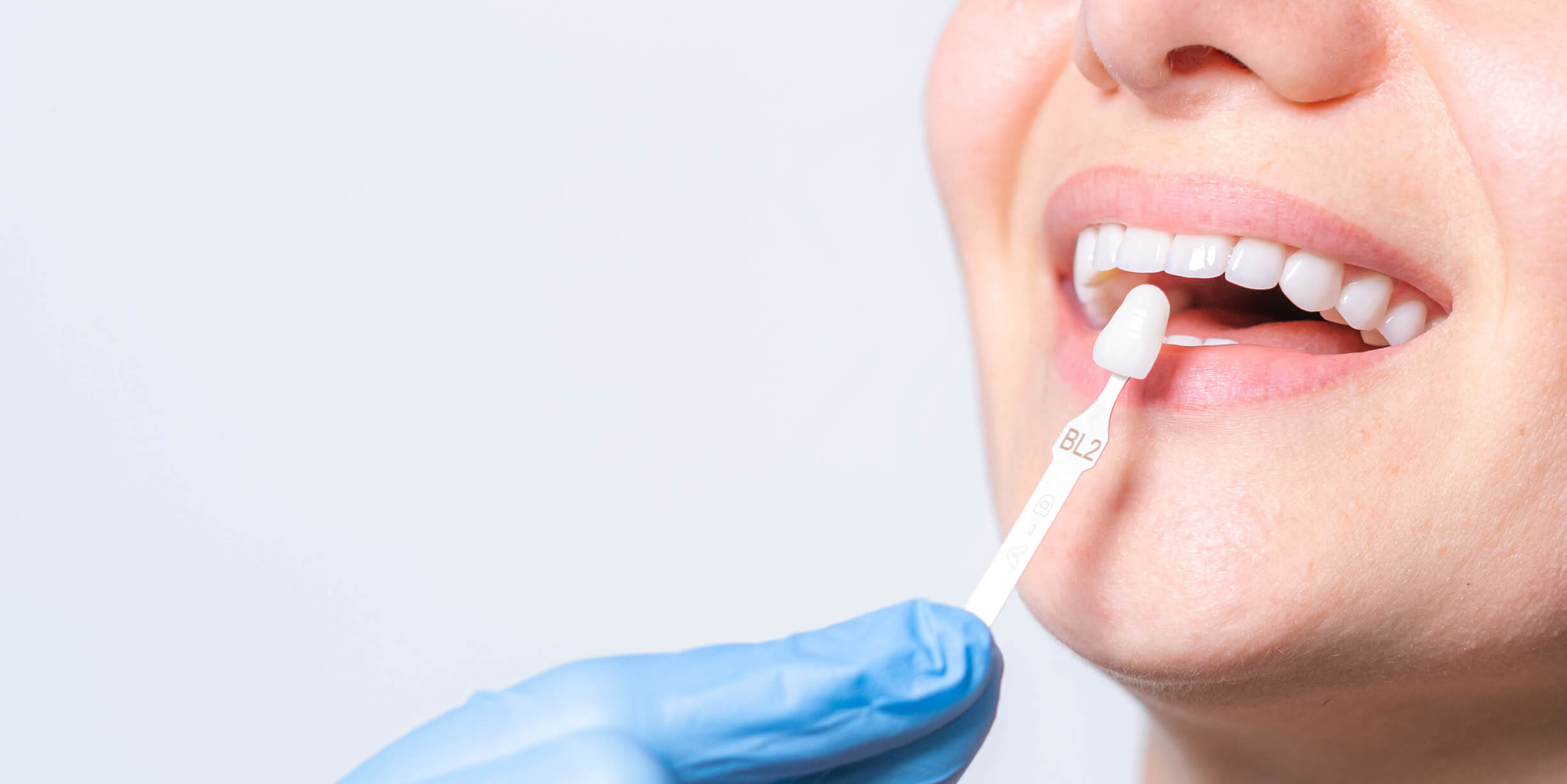
What Can Porcelain Veneers Fix?
Porcelain veneers are thin, custom-made shells that are bonded to the front surfaces of your teeth. They’re designed to change the color, shape, size, and overall appearance of your smile without covering the entire tooth.
One of the biggest advantages of dental veneers is their ability to address several cosmetic concerns at the same time. They can help correct:
- Stubborn discoloration
- Chipped or cracked teeth
- Uneven tooth shapes
- Small gaps
- Minor alignment concerns
- Worn enamel
The Pros of Porcelain Veneers
There are several benefits of getting cosmetic veneers, especially if you want to make noticeable improvements without undergoing multiple separate procedures. Some advantages include:
- Natural Appearance – Porcelain reflects light similarly to natural tooth enamel, creating a realistic finish.
- Stain Resistance – Porcelain is less likely to absorb stains from coffee, tea, and other common foods and beverages.
- Long-Lasting Results – With proper care, porcelain veneers can last 15 to 20 years.
- Customized Design – Each veneer is made to complement your surrounding teeth and the overall appearance of your smile.
- Multiple Improvements – Veneers can address several cosmetic concerns in one coordinated treatment plan.
The Cons of Porcelain Veneers
Although veneers offer impressive cosmetic improvements, it’s important to understand their limitations before committing to treatment.
One consideration is that traditional porcelain veneers typically require removing a small amount of natural tooth enamel. This preparation is permanent, meaning the teeth will generally need to remain covered with veneers or another restoration in the future.
Other potential drawbacks include:
- Temporary sensitivity to hot and cold after placement.
- Veneers are generally considered cosmetic treatment and may not be covered by dental insurance.
- Porcelain can chip, crack, or become loose under excessive pressure.
- Veneers aren’t permanent restorations and will eventually need to be repaired or replaced.
Who Is a Good Candidate for Dental Veneers?
So, who is a good candidate for veneers? Generally, they’re a good option for adults who want to improve the appearance of their teeth and have a healthy foundation for cosmetic treatment.
You may be a good candidate if you:
- Have healthy teeth and gums
- Want to correct discoloration that doesn’t respond to whitening
- Have minor chips, cracks, or worn edges
- Are unhappy with the shape or size of certain teeth
- Have small gaps or minor unevenness
- Are committed to maintaining good oral hygiene
Who Should Avoid Porcelain Veneers?
Veneers aren’t suitable for everyone. Patients with untreated cavities, active gum disease, or significant tooth damage may need to address those problems before considering cosmetic treatment. People who regularly grind or clench their teeth may also be at greater risk of damaging veneers. A deep overbite or certain bite problems can create additional challenges.
If you have extensive structural damage, dental crowns may be a better option because they cover and protect the entire visible portion of a tooth. Your dentist can explain the differences between veneers vs. crowns and help you determine which restoration makes the most sense.
The Veneer Application Process
Getting porcelain veneers typically involves several appointments. The exact process depends on your dental needs and treatment plan, but most patients can expect the following steps:
- Consultation and Examination – Your dentist evaluates your teeth and gums, discusses your cosmetic goals, and determines whether veneers are appropriate.
- Smile Planning – Your dentist considers the desired tooth shape, size, and shade to create a customized treatment plan.
- Tooth Preparation – A small amount of enamel is removed from the front of the teeth to make room for the veneers and ensure a natural fit.
- Custom Fabrication – Impressions or digital scans are used to create veneers that fit your teeth. Temporary veneers may be placed while your permanent restorations are being made.
- Final Placement – Once ready, the porcelain veneers are carefully fitted, bonded to your teeth, and adjusted for comfort and appearance.
Maintaining Your New Smile
Porcelain veneers are designed to be durable, but they still need regular care. Maintaining good oral hygiene and protecting your teeth can help extend their lifespan. To keep your veneers looking their best:
- Brush twice daily with a soft-bristled toothbrush and non-abrasive toothpaste
- Floss every day to protect your gums and the areas around your veneers
- Visit your dentist regularly for professional cleanings and examinations
- Avoid biting your fingernails, chewing ice, or using your teeth to open packages
- Wear a custom nightguard if you grind or clench your teeth
- Use a mouthguard when participating in contact sports
Important Lifestyle Considerations
Before choosing veneers, think about how they fit into your everyday routine. While porcelain is stain-resistant, the natural teeth surrounding your veneers can still become discolored. Maintaining good habits and keeping up with dental visits will help preserve an even-looking smile. You should also consider whether you’re comfortable with a permanent cosmetic change. Because traditional veneers require enamel removal, they’re not something you can simply take off later.
Are Porcelain Veneers Worth It? Schedule a Consultation to Find Out
Are porcelain veneers right for me? If you’re unhappy with chips, stains, gaps, or uneven teeth, they may offer the smile improvement you’ve been looking for. At Springboro Dental Center, we offer personalized cosmetic dentistry solutions to help patients achieve healthier looking, more confident smiles. Contact our team today to schedule a consultation and learn if porcelain veneers are the right choice for you!
Frequently Asked Questions About Porcelain Veneers
How long do porcelain veneers last?
With proper care, porcelain veneers typically last 15 to 20 years. Their lifespan depends on your oral hygiene habits, bite, lifestyle, and whether you protect them from excessive pressure.
Can you get a smile makeover with veneers?
Yes! A smile makeover with veneers can improve the appearance of multiple teeth at once.
Will porcelain veneers look fake?
No. When properly designed and placed, porcelain veneers can look very natural. Porcelain has a translucency like natural enamel, and each restoration is customized to complement your facial features and surrounding teeth.
What issues can veneer correct?
Veneers can address several cosmetic concerns, including stubborn tooth discoloration, chips, minor cracks, small gaps, uneven edges, misshapen teeth, and minor alignment issues.