
Tongue Cleaning Benefits from Dr. Pathan in Springboro, OH
When it comes to oral hygiene, most people focus on brushing and flossing their teeth. But there’s another important part of your mouth that deserves attention: your tongue. Even if your teeth are clean, bacteria, food particles, and dead cells can collect on your tongue’s surface, contributing to bad breath and other oral health concerns.
Adding tongue cleaning to your daily routine is a simple way to support a healthier mouth and fresher breath. Whether you use a toothbrush or a dedicated tongue scraper, taking a few extra seconds to clean your tongue can make a noticeable difference. Our team at Springboro Dental Center is here to explain tongue cleaning benefits and oral hygiene tips to take care of your whole smile in Springboro, OH.
Why Your Tongue Causes Bad Breath
Have you ever brushed your teeth, used mouthwash, and still noticed unpleasant breath? Your tongue could be part of the problem.
The surface of your tongue isn’t completely smooth. It contains tiny bumps called papillae, which create a textured environment where bacteria, food debris, and dead cells can collect. This buildup is especially common toward the back of the tongue, where it’s harder to reach during regular brushing. Some of these bacteria produce volatile sulfur compounds (VSCs), which are responsible for many cases of bad breath, also known as halitosis. When these compounds accumulate, they can create an unpleasant odor even when your teeth are relatively clean.
This is one reason tongue cleaning for bad breath is so important. Removing the buildup helps reduce odor-causing bacteria and supports a cleaner oral environment.
The Importance of Tongue Cleaning for Fresh Breath
How does tongue cleaning improve your oral health? Your tongue plays several important roles in everyday life, including tasting, speaking, and swallowing. Keeping it clean is an important part of maintaining good oral hygiene. Brushing your teeth removes plaque and food particles from tooth surfaces, but it doesn’t always remove the buildup on your tongue. Cleaning your tongue helps address an area that can otherwise be overlooked.
If you’re wondering why, you should clean your tongue when you already brush twice a day, consider that oral bacteria don’t stay in one place. They can collect on your teeth, gums, cheeks, and tongue. A complete oral hygiene routine should account for all these surfaces.
Key Benefits of Tongue Scraping
There are several tongue cleaning benefits that make this small habit worth adding to your daily routine. These include:
- Fresher breath
- Reduced bacterial buildup
- Improved taste
- Better overall oral hygiene
- A cleaner mouth
Best Tools to Use for Tongue Scraping
You don’t need complicated equipment to clean your tongue. A few simple tools can help remove buildup effectively.
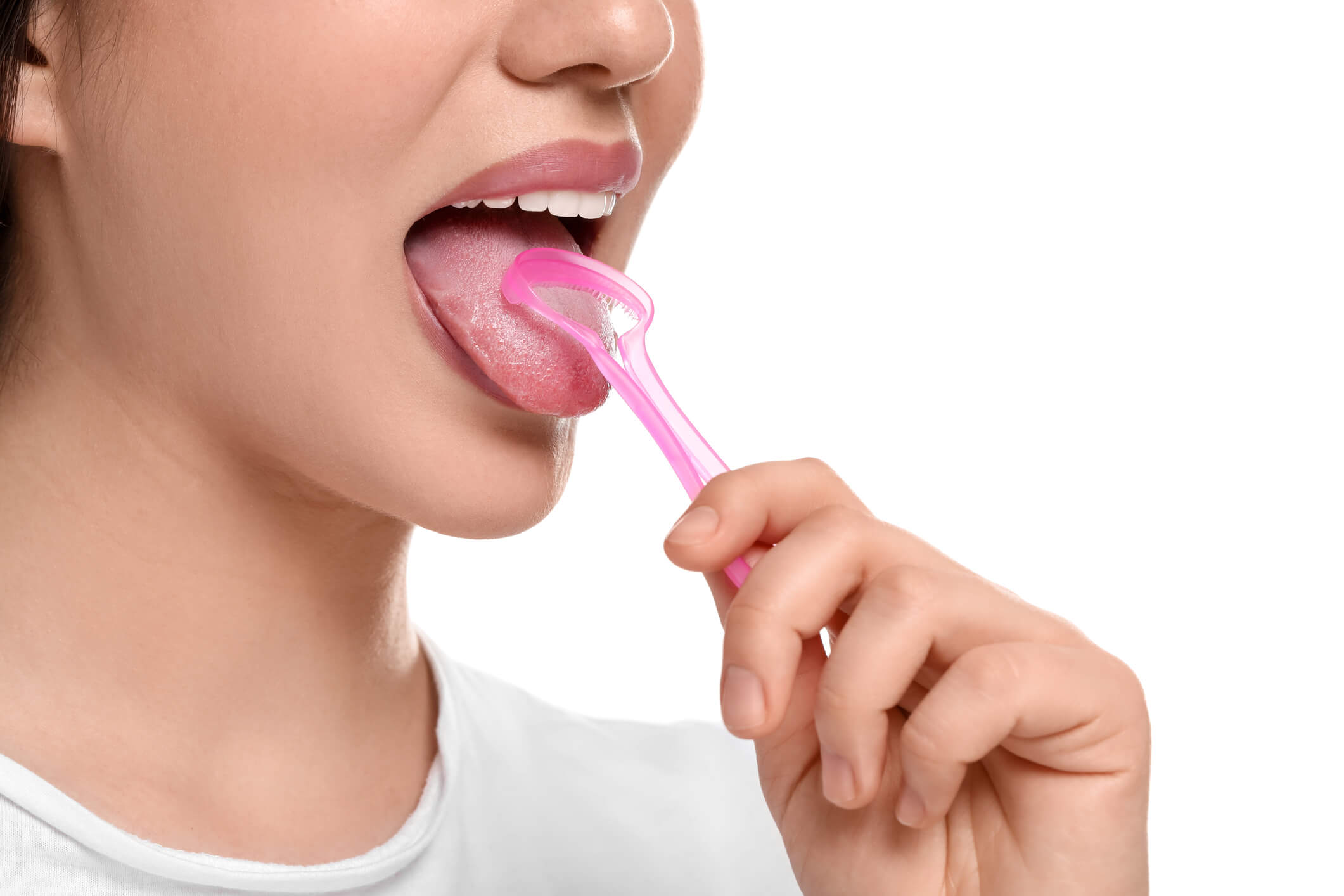
- Tongue Scrapers – These tools are specifically designed to remove debris from the tongue’s surface. They often feature a curved edge that collects buildup as you gently pull the scraper forward.
- Toothbrushes – A soft-bristled toothbrush can also be used to clean your tongue. Some toothbrushes include a textured tongue-cleaning surface on the back of the brush head.
- Tongue-Cleaning Brushes – These have specialized bristles designed to reach the tongue’s textured surface and remove debris.
Dentist-Recommended Technique
The best tongue cleaning methods are gentle and consistent. Scraping too aggressively won’t make your tongue cleaner, and it can cause irritation or discomfort. When cleaning your tongue, use light pressure and slow movements. You want to remove surface buildup without damaging the delicate tissue underneath. It’s also important to clean the entire accessible surface of your tongue, including the middle and back areas where bacteria tend to accumulate.
Step-by-Step Guide: How to Clean Your Tongue
If you’re new to tongue cleaning, there are just a few simple steps to remember. Here’s how to get started:
- Use a dedicated tongue scraper or a soft-bristled toothbrush
- Extend it comfortably so you can reach the surface
- Place the scraper as far back as is comfortable without triggering your gag reflex
- Move the scraper toward the tip of your tongue using light, even pressure
- Wash away the collected debris after each pass
- Make a few gentle passes until you’ve cleaned the surface
- Finish by rinsing with water and cleaning your tool thoroughly
Natural Ways to Clean Your Tongue
If you prefer simple, natural ways to clean your tongue, there are several habits that can complement scraping. Try:
- Drinking plenty of water
- Eating crunchy fruits and vegetables
- Rinsing with water
- Maintaining a balanced diet
- Keeping up with oral hygiene
Mistakes to Avoid When Cleaning Your Tongue
Tongue cleaning is straightforward, but a few common mistakes can make the process less comfortable or effective. Be careful to avoid:
- Scraping too hard
- Ignoring the back of the tongue
- Using an unclean tool
- Skipping tongue cleaning regularly
- Using harsh products
- Expecting scraping to solve every breath problem
Make Tongue Cleaning Part of Your Daily Routine
Tongue cleaning is a small addition to your oral hygiene routine that can make a meaningful difference. At Springboro Dental Center, we’re happy to help patients develop effective oral hygiene habits that keep their smiles healthy. If you’re struggling with persistent, bad breath or have questions about your daily dental care, contact our team to schedule an appointment.
Frequently Asked Questions About Tongue Cleaning
What is the best time to clean your tongue?
The best time to clean your tongue is during your morning oral hygiene routine, before or after brushing your teeth. Bacteria and debris can accumulate overnight, contributing to morning breath. You can also clean your tongue at night to remove buildup from throughout the day.
How often should you clean your tongue?
For most people, cleaning your tongue once a day is sufficient. Making it part of your regular morning routine can help manage bacterial buildup and maintain fresher breath. If you notice additional buildup, you can clean it more often if you’re gentle and avoid irritating the tissue.
Can I hurt my tongue by scraping?
Yes, scraping too aggressively can cause soreness, irritation, or minor injury. Use gentle pressure and avoid repeatedly scraping the same area. If your tongue becomes painful or irritated, take a break and allow it to recover before trying again.
Should I use toothpaste on my scraper?
You generally don’t need toothpaste when using a dedicated tongue scraper. The scraper is designed to remove surface buildup mechanically, and plain water is usually enough. If you’re using a toothbrush to clean your tongue, a small amount of toothpaste is fine. Always rinse your mouth and clean your tool after use.